FUE vs. FUT Hair Transplant: Which Method Is Right for You?

FUE or FUT: which hair transplant is better? It is one of the first questions people ask once they decide to look into surgical hair restoration, and the honest answer is that neither technique wins in every case. Both move permanent, DHT-resistant follicles from the back and sides of the scalp to thinning areas. Where they differ is in how those follicles are harvested, which changes the scar, the recovery, how many grafts can be moved in one session, and who each method suits best. Here is a clear side-by-side.
The Short Answer
- FUE (Follicular Unit Extraction) removes follicles one at a time with a tiny punch, leaving small dot scars scattered across the donor area. It suits patients who want to wear their hair short.
- FUT (Follicular Unit Transplantation), also called the strip method, removes a thin strip of scalp that is divided into grafts under magnification. It leaves a single fine linear scar hidden by surrounding hair.
- FUT can often move more grafts in one session, which helps patients with extensive thinning.
- Both produce permanent results when performed well. Growth typically shows at about three months, with fuller results between nine and twelve months.
How FUE Works
In FUE hair transplantation, the donor area is trimmed short and individual follicular units are extracted with a micro-punch around a millimeter in diameter. Each graft is then placed into a tiny recipient site at the angle and direction that matches natural growth. Because no strip is removed, there are no stitches in the donor area.
FUE is not truly scarless. Each extraction leaves a pinpoint scar, but they are small and spread out, so they are usually invisible unless the hair is buzzed very close. Sessions are long, often a full day, because every graft is harvested individually.
How FUT Works
In FUT hair transplantation, a narrow strip of scalp is removed from the back of the head under local anesthesia and the donor area is closed with sutures. The strip is then dissected under magnification into individual follicular units, which are transplanted into the thinning areas.
The tradeoff is a single linear scar. With careful closure it is typically thin and well hidden under hair of moderate length, but it can show with very short haircuts. In exchange, FUT harvests efficiently from the densest part of the donor zone and preserves the surrounding donor area for future procedures.
FUE vs. FUT Side by Side
- Scarring: FUE leaves scattered dot scars. FUT leaves one linear scar.
- Short hairstyles: FUE is generally better if you keep your hair cropped close.
- Grafts per session: FUT often allows more grafts in a single procedure, which matters for larger areas of loss.
- Donor shaving: FUE usually requires trimming the donor area. FUT only affects the strip itself.
- Recovery: Both are outpatient procedures under local anesthesia, and most patients return to desk work within a day or two. FUT involves sutures and a little more donor tenderness. Strenuous exercise is usually paused for about a week with either method.
- Results: When graft handling and placement are done well, the transplanted hair looks and grows the same with either technique.
What About DHI?
DHI (Direct Hair Implantation) is a variation of FUE in which follicles are loaded into an implanter pen and placed directly, without creating recipient sites first. It can be useful for refining hairlines and adding density between existing hair. For a deeper look, see our article on DHI vs. FUE or our DHI hair transplantation page.
How to Decide Which Is Right for You
The right choice depends on a few factors that only an in-person exam can answer:
- How much area needs coverage, now and as your hair loss progresses
- Your donor density and scalp laxity, which affect how many grafts can be safely harvested
- How you wear your hair, and whether you might want a very short cut in the future
- Your age and family history, since a younger patient needs a plan that accounts for future loss
For patients with limited scalp donor supply, body hair transplantation (BHT) can sometimes supplement grafts. And because a transplant does not stop ongoing thinning of your native hair, many patients pair surgery with PRP hair restoration or prescription therapy to protect the results.
Why Choose Capitis Medical & Aesthetics?
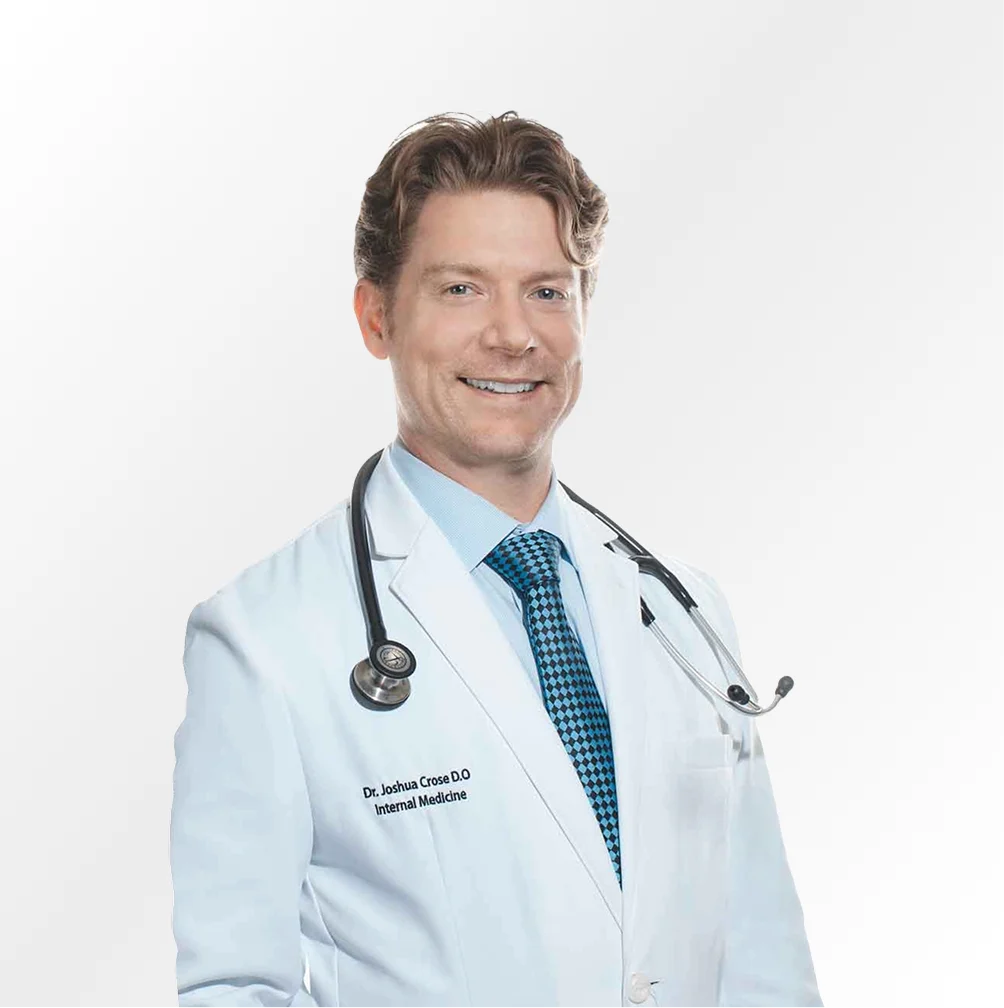
Hair restoration is a central focus of our practice. Dr. Joshua Crose, D.O., is an Associate Member of the International Society of Hair Restoration Surgery (ISHRS) and personally performs FUE extraction and recipient site creation, the steps that most influence how natural a result looks. Because we offer FUE, FUT, DHI, and BHT, along with non-surgical options, we can recommend the technique that fits your scalp and goals rather than the one we happen to offer. We see patients at our San Diego and Roseville locations.
Frequently Asked Questions About FUE and FUT
Is FUE more expensive than FUT?
Costs depend mainly on the number of grafts and the length of the procedure. FUE can cost more per graft because each one is harvested individually, but the total depends on your plan. See our article on the hidden cost of hair transplants.
Which hair transplant has the most natural results?
Neither technique is inherently more natural. Natural results come from hairline design, graft handling, and placing each graft at the correct angle and direction.
Will people be able to see the scar?
FUE dot scars are rarely visible unless the hair is buzzed very short. A well-closed FUT scar is usually hidden by hair a little longer than a close clipper cut. Learn more in Will I Get Hair Transplant Scars?
Can I have FUE after a previous FUT?
Often, yes. FUE can be used to harvest additional grafts after FUT, and in some cases to place grafts into an existing FUT scar to soften its appearance.
Find the Right Technique for You
The best way to choose between FUE and FUT is a hands-on evaluation of your donor area and hair loss pattern. Contact Capitis Medical & Aesthetics to schedule a consultation and learn more about FUE Hair Transplantation in San Diego, CA.
This article is for educational purposes and is not a substitute for a medical consultation. Individual results vary.

